
Rags to Wigs: Malawi’s Explosive Hair Trade Feeds on Hungry Teenagers and Vanishing Hope
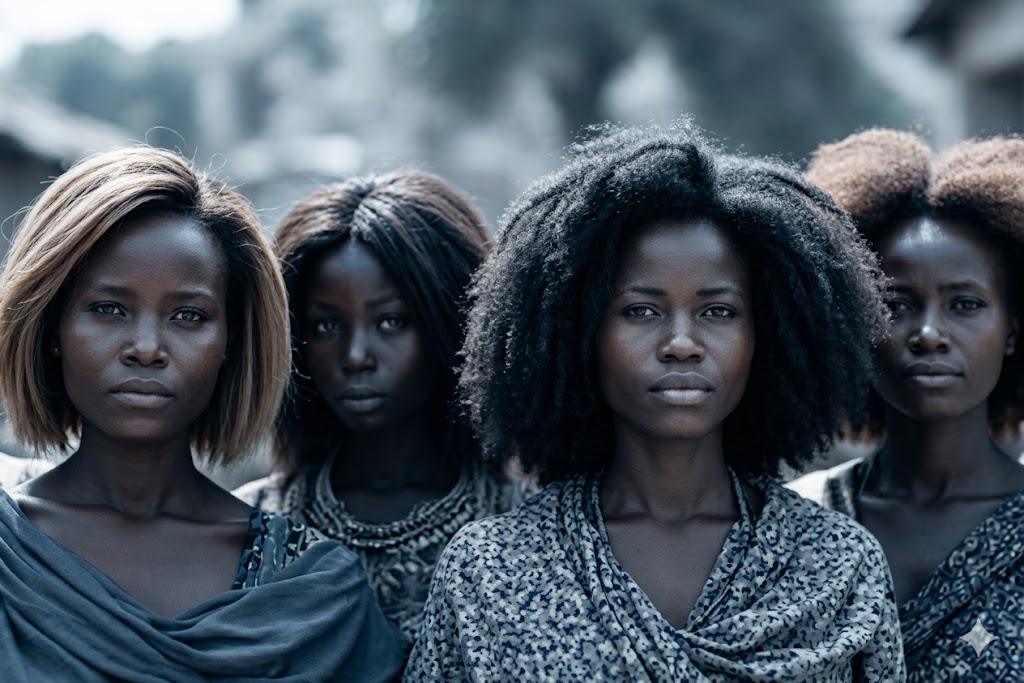
Beneath the flickering fluorescent lights of Area 25’s flea market, 19-year-old Grace John carefully stitches the last strands of synthetic fiber onto a lace cap, her fingers raw from 14-hour shifts. She is one of hundreds of young Malawians fueling a clandestine wig-making industry that has exploded in the capital, yet her daily wage of 800 kwacha (less than 50 US cents) cannot buy her own meal. As demand for “Brazilian” and “Peruvian” wigs skyrockets among the country’s growing middle class and churchgoing women who see natural hair as unkempt, a shadow economy has emerged one where teenage girls drop out of school to braid and glue hairpieces in unventilated shanties, inhaling toxic fumes from industrial adhesives while their bosses pocket markups of over 2,000%.
Share this article
Help spread the word about this story
Advertise with GTV AFRIK
Reach Africa's decision makers & global diaspora
Partner with us
Advocacy, Campaigns & Media Production